Timing Belt Replacement Services in Marion, IA
Your vehicle depends on a healthy timing belt to stay in sync and running smoothly. If your vehicle’s timing belt hasn’t been inspected recently, you could be driving a ticking time bomb. We invite you to turn to the pros at EuroCare. At our Marion, IA, auto repair shop, we specialize in thorough timing belt replacement and related maintenance services to prevent costly engine damage. If you’ve noticed performance issues or your manufacturer’s service interval is approaching, don’t wait until your timing belt breaks—we’re here to help keep your engine in top shape and your mind at ease.
Our team understands the difference a properly maintained timing belt can make. Whether you drive a daily commuter car, family van, or pickup truck, we can help you navigate the manufacturer’s recommended maintenance schedule and determine when timing belt replacement is needed. Our goal is to provide hassle-free service that helps protect your engine and keeps you confidently on the road.
What Is the Difference Between a Timing Belt and a Timing Chain?
Timing belts and timing chains both serve the same crucial function in your vehicle. The main difference is in their materials. Timing belts are made of rubber, while timing chains are made of metal and often last much longer, sometimes for the life of the vehicle. However, both can wear out or fail over time, and when they do, it can lead to serious engine damage—so it’s important to keep an eye (and ear) out for any signs of trouble.
Although timing chains may have a longer service life, they are not maintenance-free. The type of timing system your vehicle uses depends on its engine design, make, and model. If you are unable to determine which system your vehicle has, our technicians can inspect it and help you understand what service may be required.
How Do Timing Belts Differ from Other Automotive Belts?
Your vehicle runs off of several belts, including serpentine belts and drive belts. And while these accessory belts power important components such as the alternator and air conditioning system, the timing belt plays a much more crucial role. It synchronizes the movement of the crankshaft and camshaft, ensuring your engine’s intake and exhaust valves open and close at the right times in coordination with the combustion chamber. If it fails, it can cause catastrophic engine damage, including bent valves or damage to the pistons and cylinder head—unlike other belts that may simply cause accessory failures. That’s why timely belt replacement is such an important aspect of engine maintenance and should be handled by experienced professionals.
How Long Do Timing Belts Last?
In most cases, a timing belt should be replaced every 60,000 to 100,000 miles, but this can vary by vehicle make and model. Additionally, driving habits, vehicle age, engine design, and manufacturer recommendations can all affect timing belt life. It’s essential to follow your manufacturer’s recommended interval found in your owner’s manual—or consult with our team if you’re unsure. Even if your vehicle appears to be running normally, the belt can deteriorate over time. Replacing your belt before it fails is always better than dealing with the damage that happens when a timing belt breaks.
Signs Your Timing Belt May Need Replacement
A timing belt does not always provide obvious warning signs before it fails. That is why following the recommended replacement interval is so important. However, certain symptoms can indicate a problem with the timing system or another related engine component.
Potential signs include:
- Engine misfires or unusual engine performance
- Difficulty starting the vehicle
- Rough or uneven idling
- Unusual noises coming from the engine
- Reduced engine power
- Oil leaking near the timing belt area
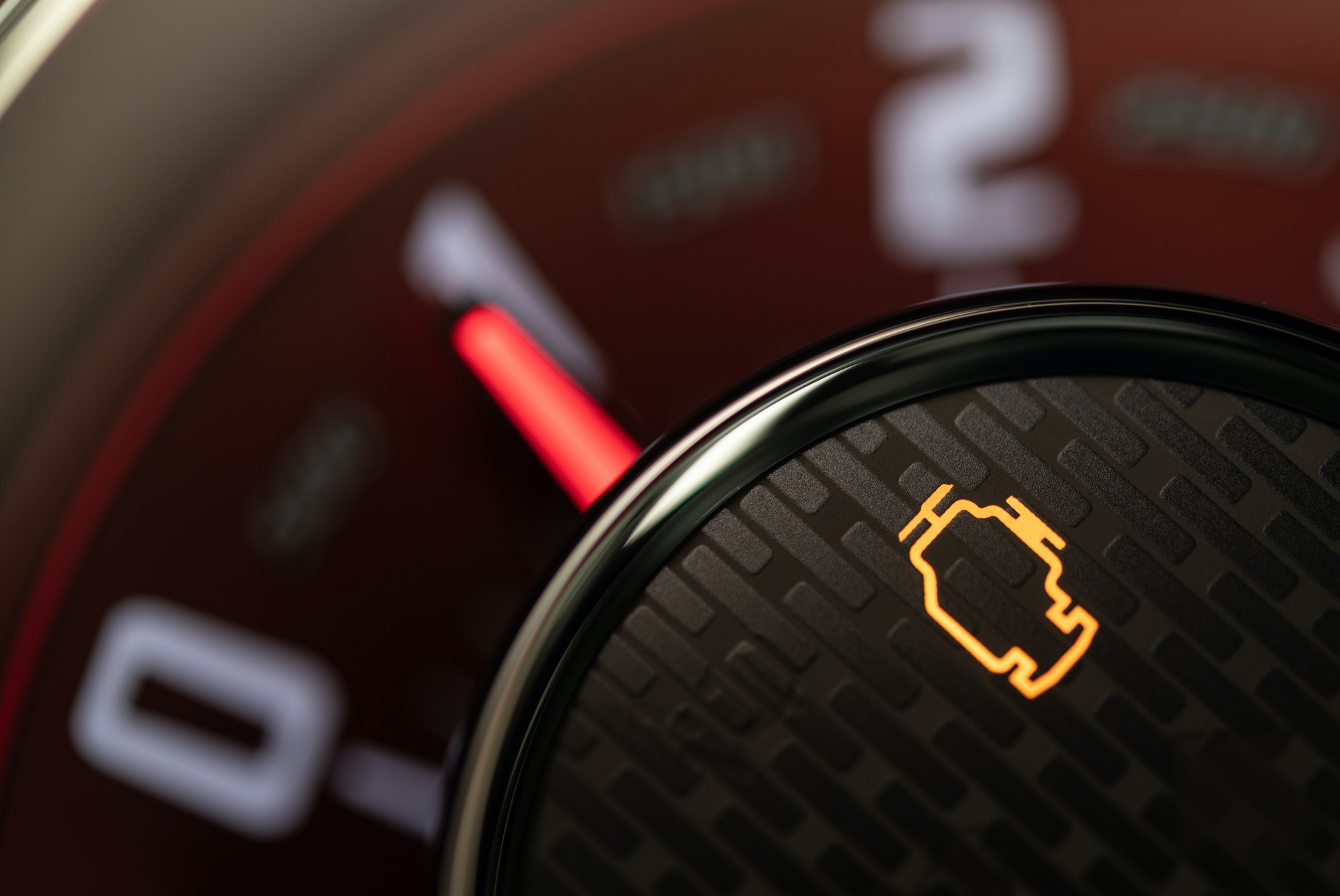
- A check engine light
- Visible signs of wear or damage during an inspection
These symptoms can have several possible causes, so they should not automatically be taken as proof that the timing belt needs replacement. A professional inspection can help determine the actual source of the problem before a minor issue becomes a major repair.
What Happens If a Timing Belt Breaks?
A timing belt breaks when the belt becomes too worn, damaged, or otherwise unable to maintain proper synchronization between the camshaft and crankshaft. When this happens, the engine can stop running immediately. Depending on the engine design, the pistons and valves can collide, potentially resulting in bent exhaust valves, damaged pistons, or other serious internal engine damage.
A broken timing belt can leave you stranded and may turn a routine maintenance service into an expensive engine repair. Replacing the timing belt according to the recommended schedule is one of the simplest ways to help protect against this outcome.
Timing Belt Replacement Should Be Left to the Professionals
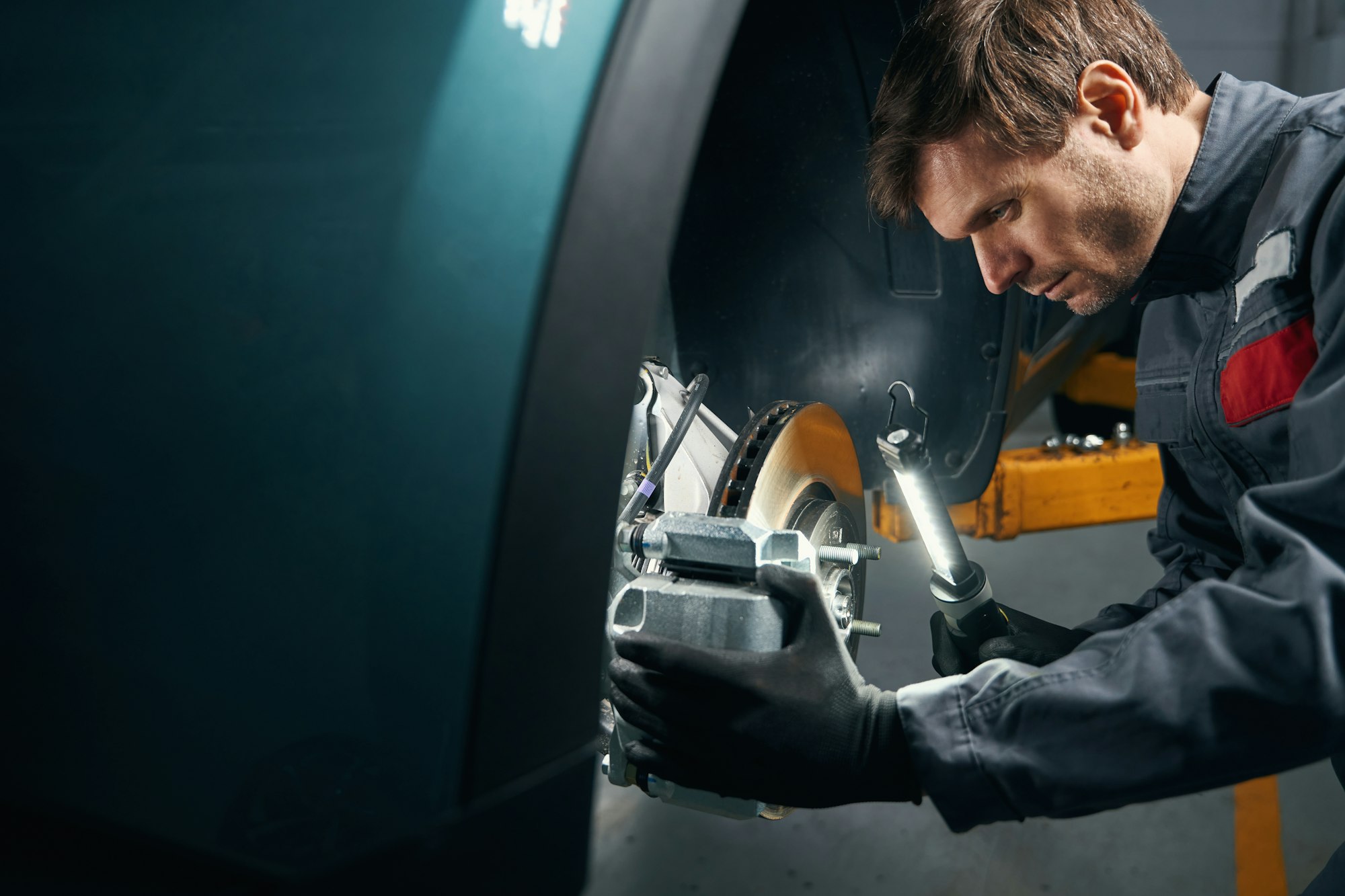
Timing belt replacement is not a DIY task. It requires precision, specialized tools, and extensive mechanical knowledge. Mistiming just one component can cause your vehicle to run poorly, or not at all. Our trained mechanics perform every timing belt job with care, making sure every component is aligned and operating correctly for long-term engine health.
Because this repair involves critical engine components, choosing an experienced service team can make a significant difference. Our technicians know how to perform the necessary work carefully and review the completed repair to ensure the timing system is working properly.
What Is Included With Timing Belt Replacement?
When you bring your car or truck to us for timing belt service, you can expect a comprehensive, reliable repair. We’ll start with a full inspection of your timing belt and all associated components. If replacement is needed, we’ll install a new belt that meets or exceeds OEM standards. Our service also includes replacing any worn pulleys, tensioners, and, when necessary, the water pump—ensuring your entire system is refreshed and ready for the miles ahead.
Because timing belt replacement can involve substantial labor, our team will review the recommended service with you before work begins. We want our customers to understand what is covered, why the service is crucial, and what can happen if worn components are left unresolved.
Other Vehicle Maintenance Services We Offer
In addition to providing top-tier timing belt replacement, EuroCare is your go-to source for:
- accessory belt and hose replacement
- battery testing, recharging, and replacement
- check engine light diagnostics
- fuel system service
- oil changes
- tune ups
- tire repair, replacement, and rotation
- wheel alignment
Regular maintenance can help your vehicle perform reliably between major repairs. From brakes and tires to oil service and engine maintenance, our team can help you create a maintenance plan based on your vehicle’s needs and the number of miles you drive.
Setting the Standard for Auto Repair Shops in Marion, IA
There are plenty of automotive repair businesses offering timing belt replacement services in the area, but local drivers choose us thanks to our:
- ASE-certified technicians
- 3-year/36,000-mile warranty
- clean facility complete with the latest tools and technology
- loaner car and shuttle services
- premium replacement timing belts and timing chains
We’re proud to support drivers throughout Marion and the surrounding Iowa communities with professional automotive service. Our focus is not simply on replacing a belt—it’s on helping customers maintain a dependable vehicle and avoid preventable engine problems.
If you’ve found us through our website or are comparing timing belt replacement shops in Iowa, we encourage you to review our services and contact our team with any questions. We’ll help you understand your options and determine the right next step for your vehicle.
Schedule Timing Belt Replacement Services in Marion, IA
At EuroCare, we’re proud to provide Marion, IA, drivers with trustworthy, expert timing belt services. Our goal is to keep our customers safe and their vehicles reliable through top-tier maintenance service and timely repairs. Don’t wait until you’re stranded on the side of the road to act—schedule an appointment with our team today and let us take care of the rest.
Frequently Asked Questions About Timing Belt Replacement
How do I know when my timing belt needs to be replaced?
The best way to know is to follow the replacement interval recommended by your vehicle manufacturer. Depending on the vehicle, timing belts commonly require replacement between 60,000 and 100,000 miles. An inspection can also identify signs of wear or related component problems.
Can I drive my vehicle if the timing belt is showing signs of wear?
It is best to have the vehicle inspected as soon as possible. A worn timing belt can eventually fail, and a broken belt can cause severe engine damage depending on the engine design. Continuing to drive may increase the risk of becoming stranded.
What happens if I wait too long to replace my timing belt?
If the belt fails, the engine may stop running and internal components such as pistons and valves can be damaged. In some engines, a timing belt failure can result in extensive engine repairs that are considerably more expensive than scheduled belt replacement.
Is timing belt replacement the same as serpentine belt replacement?
No. A timing belt synchronizes the camshaft and crankshaft inside the engine, while a serpentine or accessory belt drives components such as the alternator and air conditioning system. They perform different jobs and require different types of service.
Should the water pump be replaced with the timing belt?
In some vehicles, replacing the water pump at the same time is recommended because the components may be located in the same area and access can involve significant labor. Our technicians can inspect your vehicle and explain whether replacing the water pump during timing belt service makes sense.
How long does timing belt replacement take?
The amount of time required varies based on the vehicle’s make, model, engine design, and the condition of related components. Timing belt replacement is a complex service, so your technician can provide a more specific estimate after reviewing your vehicle.
Can a timing belt last the life of a vehicle?
Some timing belts may last for many years and tens of thousands of miles, but they are generally considered maintenance items with a recommended replacement interval. Following the manufacturer’s schedule is the best way to avoid unexpected failure.
Why should I choose EuroCare for timing belt replacement?
EuroCare offers timing belt replacement services in Marion, IA, performed by ASE-certified technicians using quality replacement components. We also provide a 3-year / 36,000-mile warranty, loaner car and shuttle services, and a professional facility equipped with modern tools and technology. Contact our team to learn more and schedule service.